Walk into any newly renovated home and you can tell, within a minute, whether the fixtures and hardware were chosen with care. Not because of the brand imprint or a trendy finish, but because the small things work smoothly and feel right in your hand. A faucet lever that glides without wobble. A cabinet pull that resists fingerprints. A door hinge that doesn’t squeal in February. These details outlast paint colors and wallpaper, and they speak to the everyday experience of living in a space.
Durability and design are not enemies. They are partners you bring into every room. Over the last decade, I have specified, installed, and serviced thousands of pieces of hardware and plumbing across kitchens, baths, laundry rooms, and mudrooms. Some have aged gracefully. Some have not. The good news is that most mistakes are avoidable if you understand materials, finishes, and the little engineering decisions hidden under the pretty shell.
Start with how you live
Fixtures are tools first, ornaments second. Before you fall for a finish, audit how the space gets used. A family that cooks nightly and runs a dishwasher twice a day stresses a kitchen faucet differently than an occasional entertainer. A half bath with three kids and guests needs more vandal proofing than a primary ensuite. If you have pets, door handles get scratched, floor registers collect hair, and shower drains see more than soap. Your habits should drive your hardware spec.
We often ask clients to walk us through a typical week. Not a fantasy version, but the sandwiches, the soccer cleats, the hand washing, the late night tea. Set aside style mood boards for an hour and decide what must not fail. If you are trying to keep a remodel on track, this step dovetails with How to Plan a Home Renovation on a Budget, because long lived hardware reduces replacement costs, emergency callouts, and patch painting later.
Materials that earn their keep
A premium finish cannot rescue inferior base metal. The substrate determines strength, thread integrity, and corrosion resistance. In wet rooms and high touch locations, the following guide rarely steers you wrong.
Brass. For faucets, valves, and many shower parts, solid brass bodies are the workhorse. Brass resists corrosion, threads cleanly, and has enough weight to feel substantial. You will find it in the best mixer valves and many luxury faucets. When possible, confirm “solid brass” rather than “brass plated” or “zinc core.”
Stainless steel. Excellent for kitchen sinks, pulls, and some bath accessories. For sinks, 16 or 18 gauge stainless is a proven range. It absorbs noise, resists denting, and tolerates aggressive cleaning. For hardware, 304 stainless balances cost and corrosion resistance. In coastal or chemical heavy environments, 316 stainless raises the bar.
Zinc alloys. Common in budget friendly knobs and towel bars. Quality varies. Zinc allows complex shapes and keeps price points accessible, but threads and set screws can strip sooner. If you go this route, prioritize reputable manufacturers and avoid over tightening during install.
Aluminum. Light and corrosion resistant, useful for modern pulls and track hardware. It scratches more easily than steel and can feel insubstantial if hollow. Anodized finishes hold up better than paint.
Cast iron and steel. Great for structural brackets, sliding door tracks, and statement pieces. They need proper coatings to resist rust in humid rooms. Powder coat is a reliable option if the manufacturer does it well.
Porcelain and glass. Timeless for knobs and decorative accents. They demand careful installation and thoughtful placement away from heavy impacts.
For bath drains, supply lines, and shutoff valves, look past the decorative faceplate and focus on internals. Compression fittings and strong threads matter more than the sheen. In showers, brass or stainless drain bodies beat plastic over the long haul, especially where hot water and cleaning chemicals are constant.
Finish is more than a color
A finish has two jobs. It should look good on day one, and it should protect the substrate against fingerprints, moisture, and cleaners over thousands of uses. You will see three broad types on metal fixtures: electroplated, physical vapor deposition, and powder coat. Each has trade offs.
Electroplated finishes such as chrome or nickel create a bonded metal skin that can be polished to a mirror. Polished chrome remains the most durable and forgiving in kitchens and baths. It shrugs off water spots with a quick wipe, it blends across brands, and it ages consistently. Polished nickel warms the tone but needs more frequent wipe downs to avoid spotting. Brushed or satin variants hide micro scratches better.
PVD, often labeled as “lifetime finish,” is a vapor deposited ceramic like layer that locks color onto the metal. This technology allows matte black, brass, bronze, and specialty hues to resist tarnish and abrasion. Not all PVD is equal. We have installed budget matte black that showed silver at the corners within a year and premium PVD that looked fresh after five. If you favor dark or light colored finishes, PVD from a reputable maker earns the expense.
Powder coat is a baked on paint layer, common on steel, aluminum, and some hardware. It covers evenly and allows broad color ranges. In damp spaces, chips at edges can invite rust unless the substrate is stainless or properly primed. Use powder coat for door hardware, railings, and accessories that avoid daily scrubbing.
Oil rubbed bronze deserves a note. There are two families. Living finish bronze that is designed to patina and lighten at touch points, and sealed bronze that tries to hold its out of the box look. Decide which story you want. If you love patina, accept variation and avoid harsh cleaners. If you want consistency, choose a sealed bronze or a PVD bronze that reads similar.
Inside the faucet: what actually fails
Most faucet complaints trace to cheap cartridges, poorly machined seats, or plastic mounting hardware. Ceramic disc cartridges last longest and provide smooth control. They also handle mineral scale better than older styles. If you have hard water, a faucet with easy access to the cartridges and readily available replacement parts will save headaches. Manufacturers who publish part numbers and diagrams are doing you a favor.
Mounting hardware matters. A kitchen faucet with a steel or brass mounting plate and a proper horseshoe nut stays tight longer. Plastic nuts loosen and crack, which is why you find wobbly spouts in two year old kitchens. In pull down sprayers, look for braided stainless hoses and weight systems that retract reliably without slapping the cabinet wall.
Flow restrictors and aerators affect user satisfaction more than most folks realize. A good aerator creates a full, quiet stream at 1.5 to 1.8 gpm, which is now common in Choosing Energy-Efficient Materials for Your Renovation and for water savings. A poorly designed one turns handwashing into a splashing mess. If you can, test the faucet display or read reviews that address water pattern and noise, not just looks.
Cabinet hardware that holds up to daily life
Cabinet pulls and knobs are the handshake of your kitchen and bath. Cheap ones will betray you fast. We look for solid metal construction, clean threads, and finish continuity between orders. The screw heads should sit flush in the pull channel. Sharp edges on finger contact points are a bad sign.
Scale is often overlooked. If your drawers carry heavy pots and pans, a longer pull gives leverage and reduces stress on joints. A 12 inch pull on a 36 inch drawer feels balanced and helps kids open with less torque. For small drawers, 5 to 7 inch pulls or sturdy 1.25 inch diameter knobs strike a good balance.
Backplates are not just decorative. They hide old drill holes on refaced cabinetry and distribute load, which reduces finish wear on painted cabinets. If you live with sunscreen, hand lotion, or heavy cooking oils, a brushed finish with subtle grain helps hide smudges, which ties to How to Choose Flooring That Hides Dirt and Scratches in spirit. It is the same idea for hands.
Soft close hardware has become table stakes. The Benefits of Soft-Close Cabinets and Drawers go beyond the thunk. Soft close saves finish life by preventing impact. Not all soft close glides are equal, though. Undermount, full extension glides with an integrated piston from known makers keep alignment longer than side mount imitators. If you are dividing budget, invest extra in drawer slides and the hinges you touch daily.
Door hardware under real conditions
Doors move with seasons. In places with big temperature swings, including The Best Flooring for Chicago's Climate Extremes and likewise for door assemblies, wood swells and shrinks. Quality hinges avoid squeak and sag. Ball bearing hinges hold alignment on heavier doors and in high use zones. For latches and locks, solid metal construction and tight tolerances matter more than smart features.
Lever or knob depends on ergonomics. Lever handles win for Universal Design. They also snag less on pockets if they taper back to the door. Knobs stay classic, but look for set screws that hold without loosening. If you hear a lever slowly droop over months, an internal spring is failing. In humid baths, choose latches with stainless or brass internals to avoid sticking.
Finish continuity across brands can be tricky. Matte black from one maker is not identical to another. If you need to mix vendors, we order a sample finish ring or a single piece from each brand and compare in daylight. Many clients prefer consistency across zones, but mixing modern and traditional styles in your renovation can work if you keep finish families limited to two or three throughout the home.
Showers that still look good after five winters
The shower is a stress test for hardware. Hot water, soap, and mechanical wear expose any shortcut. Start with the valve. A pressure balancing or thermostatic valve from a top shelf manufacturer is worth its cost. It maintains temperature regardless of a toilet flushing elsewhere and typically offers better trim options. Thermostatic valves are more precise and often allow separate control of volume and temperature.
Pay attention to the rough in depth. A mis set valve body makes trim plates wobble or sit proud of tile. This is where How to Create a Remodeling Timeline That Works intersects with coordination between plumber and tile setter. Get the rough inspection before tile, test with the trim plate, and photograph the valve depth for future reference.
For showerheads, the rainfall styles look stunning, but ask whether they match your water pressure. Rainfall showerheads can feel anemic at low psi. If you want drench without disappointment, choose a larger diameter with well designed nozzles and a flow of 2.0 to 2.5 gpm if codes allow, or pair a rainfall with a secondary handheld for flexibility. Handhelds do the daily work of rinsing and cleaning. We often mount them at a height accessible to kids and include a pause feature to save water.
Glass hardware benefits from stainless fasteners and quality hinges rated for your specific door weight. Frameless systems look clean, but they demand square walls and sturdy blocking. If your framing wanders, a framed door with good seals can be the better path. For grout and caulk near hardware, choose mildew resistant products, part of How to Prevent Bathroom Mold and Mildew, to protect anchoring points from rot.
The quiet math of cost per use
Durable fixtures rarely cost the least up front, but their cost per use can be lower. A $400 kitchen faucet that lasts 12 years at 20 uses a day works out to pennies per use. A $150 faucet that starts leaking at year two and gets replaced at year four is not a bargain. Beyond dollars, there is disruption. It is harder to replace a shower valve after tile is set or to repaint around a poorly designed towel bar pattern.
Budgeting for longevity supports The Hidden Costs of Home Remodeling and How to Avoid Them. We structure allowances to prioritise touch points: door hardware, cabinet hardware, faucets, and shower systems. Decorative hooks and secondary accessories can run mid range if they meet the material criteria. Think of this as triage. Put money where your hands and water go first.
Maintenance and the myth of maintenance free
No finish is maintenance free. Polished chrome forgives, but still benefits from a microfiber wipe. Matte black hides some sins, but hard water leaves pale rings if left. Oil rubbed bronze evolves with touch. Stainless shows daylight scratches but polishes back with a Scotch Brite pad in the grain direction. You will protect your investment with simple habits.
Choose non abrasive cleaners. Bleach splashes and acidic limescale removers can haze or strip finishes. If you need to descale, soak a cloth in a diluted solution and wrap it around the aerator rather than spraying. On day one, save the care instructions and part numbers in a binder. It sounds fussy. It saves you from hunting later, and it matters during The Best Time of Year to Remodel Your Home in Chicago when plumbers and parts are booked.
When matching makes sense, and when to mix
Perfectly matching fixtures across a home is not a rule. It is a tool. If you want calm, choose a core finish such as brushed nickel or warm brass, then vary forms and textures. If you want layered character, pair two finishes thoughtfully. Black and brass can coexist when one is the lead actor and the other supports. Chrome and nickel can clash if mixed in the same vignette because the undertone shift is obvious side by side.
Consider the psychology of home design. A bath with quiet fixtures and consistent geometry reads serene. A kitchen with a matte black faucet, stainless appliances, and warm brass pulls can feel dynamic if the proportions and undertones line up. Perception hinges on repetition. Repeat a finish at least three times in sight lines to make it feel intentional.
Revive 360 Renovations on specifying fixtures that outlast trends
At Revive 360 Renovations, we field two questions often. First, which finishes will date fast. Second, which ones support resale. Chicago Home Remodeling Trends to Watch in 2025 point to warmer metals, slimmer profiles, and softer sheens. What lasts is not the sheen itself, but the restraint. Avoid ornate backplates and overly stylized forms unless the architecture supports them. A simple gooseneck kitchen faucet with clean lines stays handsome across paint changes. Flat bar pulls look current without screaming a decade.
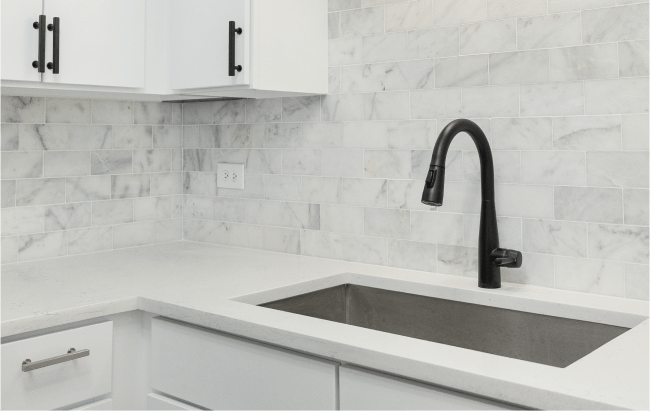
We also see clients wrestle with matte black in heavy use kitchens. Matte black is striking and workable when it is a high quality PVD, the sink basin contrasts appropriately, and maintenance expectations are clear. In one West Loop condo, the client wanted a black on black sink and faucet. We nudged toward a dark graphite stainless sink with a black PVD faucet for durability. Two years in, the faucet still looks great because the sink does not amplify every water spot.
Revive 360 Renovations on coordinating hardware across open concept spaces
Open concept vs. traditional layouts affect how you coordinate finishes. With sight lines stretching from kitchen to living room, a jumble of metals can feel busy. Our approach at Revive 360 Renovations is simple. Choose a dominant metal for kitchen and dining, repeat it in stair brackets or a floor lamp finish, then allow a secondary accent in the living area. If you love brass and black, let brass lead at the island, then carry black into the media console pulls and door levers nearby. Door hardware is the bridge between rooms, so it often shares the accent tone.
This strategy also respects acoustics and use. In Chicago winters, mudroom hardware gets salty and wet. We spec stainless or PVD black hooks and pulls there for durability, while keeping the brass for dry spaces. This is not fussy matching. It is a practical response to use patterns and climate.
Vet the manufacturer, not just the model
The brand on the box matters. A good manufacturer publishes exploded diagrams, carries parts for a decade or more, and ships finishes that match across batches. During a home remodel, you want to know https://trentonxnef653.bearsfanteamshop.com/how-to-choose-a-color-scheme-for-your-entire-home-that-won-t-date-quickly you can get an extra pull or a replacement cartridge without redesigning. This ties into How to Hire the Right Contractor for Your Remodeling Project, because an experienced contractor already knows which lines support their products.
Ask for sample finish chips or a single piece before you commit. Hold them in the actual room under daylight and artificial light. If you can, take a small magnet to test whether a “stainless” pull is actually stainless or just steel with a finish. The magnet trick is not perfect, but it has saved us from mislabeled products more than once.

If you are working through What to Expect During a Home Remodeling Consultation, bring real examples. A photo of a faucet in a styled kitchen hides the spout height and reach that might splash on your shallow sink. Measurements matter. A spout reach of 8 to 10 inches usually clears most kitchen sink tasks without hitting the divider. In a small powder room, a 4 inch reach may be sufficient to avoid water on the counter.
The value of mockups and field tests
Paper specs help, but nothing beats a dry fit. Before tile, set the shower valve trim against the wall and check clearances. Before drilling 60 cabinet fronts, tape painter’s tape in the pull length and position and judge it from across the room. If you dislike it on tape, you will dislike it in solid metal.
We keep a small kit of test parts on site. A few sample pulls in popular lengths, a couple of finish rings, and a loaner lever handle. Clients hold them, feel the weight, check comfort. It reduces second guessing, and it surfaces ergonomic issues early. In a recent kitchen for a busy family, the client loved a thin tab pull. After handling the sample, they realized it cut into fingers when opening a loaded drawer. We moved to a slightly curved bar pull. The change cost nothing at design stage and saved years of daily annoyance.
Balance safety, accessibility, and style
Universal Design can be elegant. Lever handles, rocker light switches, and thermostatic shower valves with clear markings have no age. They also make a home more welcoming. In baths, grab bars do not have to look clinical. Many lines integrate bars that double as towel holders, with hidden fasteners and proper blocking. During framing, add blocking anywhere you might want a bar later, even if you are not installing it now.
If you have young children, consider the weight of door closers and the resistance of soft close glides. Safety latches on base cabinets should not require a wrestling match. For those designing a multi generational home, look for faucets with pull out sprayers that lock easily and lever handles that can be operated with limited grip strength.
Finishes and hardware for spaces beyond kitchens and baths
Laundry rooms and mudrooms punish hardware. Choose porcelain coated or stainless utility sinks, with faucets that accept rough handling. Hooks should mount into solid blocking or metal racks that distribute load. In climates with snow, boot trays and floor drains keep water away from base cabinet toe kicks, which saves the finish at the lowest, most vulnerable edge.
In home offices, the right task lighting and easily grasped pulls affect productivity, a topic linked to Creating a Home Office That Boosts Productivity. If you type a lot, drawer pulls that do not catch sleeves or bang knees matter more than their style name. In bedrooms, closet systems benefit from consistent pull lengths for muscle memory in the dark.
Two quick checklists you will actually use
- The durability five: solid substrate, proven finish, serviceable internals, manufacturer support, ergonomic comfort. The placement five: clear door swing, spout reach and splash zone, pull length vs. drawer width, blocking behind grab bars and wall accessories, sight line consistency in open areas.
Use those as a last minute filter. If a piece fails one of the first four durability tests, look for a better option.
Timing your orders and avoiding remodel bottlenecks
Hardware and fixtures can derail a schedule if you wait to order. Lead times bounce with demand, supply chain quirks, and finish popularity. The Best Time of Year to Remodel Your Home in Chicago also dictates shipping realities. Winter weather complicates deliveries and install. Plan for a buffer. Order key items like shower valves, primary faucets, and door hardware early so rough ins and pre drilling align with actual parts, not guesses. That discipline prevents field improvisation that ages poorly.
If a part arrives with a finish mismatch, do not install it hoping you will stop noticing. You will notice. Document with photos, keep packaging, and swap quickly. Your contractor’s timeline benefits from decisive action here, echoing How to Create a Remodeling Timeline That Works.
A note on smart fixtures and future proofing
Smart home technology integration during remodeling extends to fixtures now. Touch faucets, digital shower systems, and Bluetooth mirrors have improved, but they add complexity. A digital valve with proprietary parts ties you to a manufacturer. If you love the feature set, vet power requirements, manual override options, and part availability. In a power outage, can you still get a warm shower. If not, consider a hybrid setup where critical functions remain mechanical.
For future proofing, run extra conduit or service loops where practical. Behind vanities and kitchen sinks, leave room for future filtration systems or disposals even if you are not installing them today. Hidden access panels near complex valves can save hours later. These small decisions make living through a remodel and the years after smoother.
Why restraint beats rework
Trends evolve. Kitchen Trends That Will Become Outdated Soon teaches humility. The fixtures that endure stay close to the architecture and the way you live. They are easy to clean, straightforward to repair, and satisfying to use. I have walked through Before and After: Stunning Chicago Home Transformations where the after would look right a decade earlier or later. The common thread is craft and proportion, not just finish.
Good fixtures, like good shoes, disappear into your routine. You will feel them when they fail, and you will stop thinking about them when they work. Aim for the latter.
Bringing it all together, room by room
In a family kitchen, start with a solid brass pull down faucet with a reliable ceramic cartridge, a stainless sink at 16 or 18 gauge with sound deadening pads, and cabinet pulls that are long enough to reduce torque on wide drawers. Match door levers in a forgiving brushed finish, and choose hinges with sufficient load rating for pantry doors. For under cabinet lighting, integrate slim, high CRI strips with a diffuser so the counters feel bright and hardware finishes reflect true.
In a primary bath, go for a thermostatic shower valve with separate volume controls, a handheld on a slide bar with brass internals, and a main showerhead that fits your water pressure. Use a PVD finish if you want warm brass or matte black to hold up. Add blocking for a future grab bar even if you are not ready to install it. Choose a vanity faucet with easy access to cartridges and a drain assembly that you can service without contorting under the sink.
In the mudroom, spec stainless hooks, a durable bench with screwed in rather than glued hardware, and floor transitions that respect The Best Flooring for Basements and Below-Grade Spaces if you have a lower level entry. Door sweeps and weatherstripping with replaceable fins keep salt spray and slush at bay.
In a powder room, a compact faucet with a controlled reach avoids splash. Consider a wall mounted faucet only if you commit to a precise rough in and a tile layout that frames it symmetrically. For mirrors, pick ones with mounting hardware that secures into studs, not just wall anchors, especially above pedestal sinks where kids might lean.
Lessons from the field
The jobs that taught me the most were not the glossy magazine kitchens. They were the modest projects where the budget had no room for do overs. In one bungalow bathroom, the client picked a pretty, no name wall mounted faucet. The rough depth tolerance was tiny, and the valve body threads stripped during install. We salvaged it with thread sealant and patience, but I would not wish that on anyone. The replacement part took eight weeks and would have delayed tile if we had not planned ahead. Since then, we use wall mounted only from makers with clear rough tolerance and solid brass threads.
Another time, a client fell for a satin brass cabinet pull. The finish sample looked perfect. The first box matched. The second box skewed warmer and the third cooler. The manufacturer had a finish drift across lots. We caught it at the dry fit stage by opening all boxes and laying out pieces in daylight. We returned the outliers and saved a kitchen from quiet chaos.
These experiences guide every selection conversation. They are unglamorous, but they protect your investment.
Final thoughts that help you move forward
Choosing fixtures and hardware that last is not about memorizing brand names or chasing the latest finish. It is about understanding the underlying materials, the engineering inside the pretty shell, and the wear and tear of real life. If you align those pieces with your habits, you will end up with a home that looks good and works better.
When we sit with clients at Revive 360 Renovations, we do not start with a style board. We start with a faucet handle in hand, a drawer we open and close twenty times, a door lever we test with wet fingers. The result is not just a beautiful remodel. It is a quieter morning routine, a kitchen that invites cooking, and a bath that ages with grace.