Tile carries more weight than most finishes in a bathroom. It defines the first impression, sets the tone for daily routines, and quietly shoulders the unglamorous work of moisture control and longevity. For 2025, the strongest tile trends balance timeless materials with modern shapes, color strategies that support real life, and details that make cleaning less of a chore. After hundreds of bathrooms and plenty of callbacks for grout issues, slippery floors, and premature wear, certain patterns have emerged that are worth your attention.
Why tile still wins in wet spaces
Bathrooms are the perfect storm of water, temperature swings, and cleaning products. Tile meets that challenge better than paint, wallpaper, or many wall panels. A well-set tile with a quality waterproof membrane behind it, proper slope in the shower pan, and thoughtfully chosen grout will outlast most other finishes. The modern twist is that you do not have to sacrifice character for function. New textures, formats, and manufacturing techniques give tile the freedom to look like stone, plaster, concrete, or even wood, without inheriting those materials’ maintenance burdens.
Classic materials, updated for 2025
Marble has never really left, but it is getting smarter. Instead of covering every surface in polished Carrara, designers are mixing a honed or leathered finish on the floor with a smaller-scale marble mosaic underfoot in the shower for slip resistance. Vein-cut marble planks, in 12 x 24 or 18 x 36 formats, introduce horizontal movement that makes narrow rooms feel wider. Expect warmer marbles to gain ground - think Calacatta Gold tones or creamy Botticino - especially alongside unlacquered brass or brushed nickel fixtures.
Subway tile remains a dependable backdrop. What changes in 2025 is proportion and texture. The new workhorses are elongated 2 x 10 and 3 x 12 rectangles, often with a handmade edge or a soft ripple that breaks up the light. A straight-stack pattern reads contemporary and clean, while a vertical stack adds height in low-ceilinged rooms. If you crave pattern but fear dating the space, consider a running bond on the walls and a basketweave or herringbone detail in the niche or wainscot band.
For those who appreciate history, encaustic cement and porcelain lookalikes keep their seat at the table, especially in powder rooms where they can sing without overwhelming. True cement requires sealing and a bit more care. The porcelain versions look convincing and make maintenance easier. Small spaces can handle strong pattern if the rest of the palette is disciplined, such as matte black hardware, a simple mirror, and a neutral vanity.
The contemporary turn: scale, shape, and surface
Large-format tile went mainstream in the last decade, but 2025 pushes the envelope with slabs and panels, many in the 30 x 60 range or even full-height shower panels. The benefit is fewer grout joints, which means fewer places for soap scum to take root. Porcelain slabs that mimic marble or limestone come with realistic veining and matte finishes that hide water spots better than high-polish surfaces. In tight bathrooms, a 24 x 48 tile laid vertically on walls draws the eye upward and reduces visual clutter.
Geometric shapes continue to evolve. The hexagon is still popular, although the scale is shifting. Micro-hex mosaics of 1 inch feel crisp in vintage-style baths, while 4 to 6 inch hex tiles create a cleaner, more architectural footprint. Kit-kat mosaics, sometimes called finger or stick tiles, are making their way from boutique hotels to residential showers. They add texture without loud pattern and are pleasant underfoot. Consider them on a shower floor with a matching matte wall tile in a larger format for a coordinated, grounded look.
Texture matters as much as color. Matte and satin sheens are in demand for walls because they soften glare and show fewer streaks. On floors, look for R10 or higher slip ratings, often described as textured or grip matte. You do not need sandpaper underfoot, but a slight tooth on the tile solves the common complaint about slick floors after cleaning.
Color for 2025: nature, nuance, and a touch of hospitality
Cool grays have ceded ground to warmer neutrals. Think putty, clay, and mushroom, paired with bone or off-white. In showers, a soft greige wall tile paired with a limestone-look floor creates a spa tone without feeling cold. Green has staying power, especially desaturated sages and eucalyptus tones that pair beautifully with warm metals and light woods. Blue shows up in muted, smoky shades rather than saturated navies.
Accent-wise, consider color as a zone. A tiled shower in a deep green stacked mosaic, with the rest of the room in a pale neutral, reads intentional and calming. For clients who want color but fear commitment, a colorful vanity or paint is easier to update, while the tile stays in a quieter palette. That approach dovetails with bathroom lighting strategies, since warm LEDs bring the best out of warmer tiles and can make stark white porcelain feel clinical if not balanced.
Grout lines, edges, and why the small decisions matter
Grout remains the quiet hero or the nagging headache. For 2025 bathrooms, tighter joints are common - 1/16 or 1/8 inch on rectified porcelain - which reduces maintenance. Sanded grout performs well on most floor joints above 1/8, while unsanded grout suits walls and polished stone. Many installers, including teams at Revive 360 Renovations, specify polymer-modified or pre-mixed grouts with mildew inhibitors for showers. Epoxy grout continues to be the gold standard for stain resistance, especially on shower floors and behind niche shelves where shampoo can etch light-colored cementitious grout.
Edge profiles telegraph craftsmanship. Bullnose trim is not always available for contemporary porcelain lines, so plan for metal edge profiles in finishes that match, or deliberately contrast, your fixtures. A brushed stainless profile against a clay-beige tile looks sophisticated without shouting. Where tile meets drywall, a crisp J-mold keeps paint from fraying and costs less than custom stone thresholds.
Pattern placement that looks intentional
Patterns deserve a brief strategy session before tile ends up on the wall. Put the emphasis where it earns the visual weight: the shower wall opposite the door, the vanity wall seen first from the hall, or a floor pattern that pulls you in. If you love a bold encaustic tile, installing it only on the floor with quiet walls keeps the room balanced. Conversely, a textured wall tile used floor to ceiling behind a freestanding tub will create depth with minimal color.
Diary of a small win: a homeowner recently asked for herringbone everywhere because she had seen it online. In a test layout, the pattern competed with the vanity doors and the mirror frame. We shifted to a simple stacked bond on the walls, with a herringbone rug of 3 x 12 tiles centered underfoot from door to vanity. The pattern https://messiahmmxl776.iamarrows.com/water-damage-restoration-what-every-chicago-homeowner-should-know still read clearly, but it no longer overwhelmed. That small change saved the design and a few hundred dollars in labor.
Sustainability and the long game
Eco-friendly options are becoming easier to source. Porcelains with 40 to 70 percent recycled content are common, and many factories now rely on water recycling and cleaner firing systems. If sustainability drives your project, ask about Environmental Product Declarations, which manufacturers provide for many tile series. Terrazzo-look porcelain hits a sweet spot, evoking vintage chips without the weight and maintenance of poured terrazzo. Pairing these with low-VOC sealers and proper ventilation creates a healthier room.
Durability also connects to value. When homeowners ask about the return on a bathroom remodel, the finish that often pushes appraisal photos over the line is tile that reads balanced and timeless. Chicago appraisers and brokers, for example, still call out all-tile showers and clean floors as a plus the same way they note The Best Neutral Paint Colors for Home Resale in main living spaces. The logic holds anywhere: solid tile work sells the narrative of a well-kept home.
From powder rooms to primary suites: tailoring the trend
Powder rooms reward risk. Since there is no shower steam to tackle daily, you can use natural stone mosaics, glossy handmade tiles, or bolder encaustic patterns without worrying about heavy maintenance. A full-height tiled wall behind a small vanity turns a functional space into a guest experience. Consider wall tile as the star and keep the floor in a quieter stone-look porcelain that lets the wall hold court.
In primary suites, long-term comfort and resilience matter more. Larger formats on walls, fewer grout joints, and a classic palette support that goal. Walk-in showers with a bench and a linear drain often function best with a large-format field tile on the walls and a 2 inch hex or 2 x 2 mosaic on the floor for grip. If you are deciding between Walk-In Shower vs. Bathtub, the tile plan changes. For a walk-in, slope and mosaic are key. For a tub surround, focus on splash zones and pick a wall tile that carries over the tub lip with clean edge profiles.
What we have learned on site: Revive 360 Renovations insights
Teams at Revive 360 Renovations have seen how design intent can collide with site reality once walls open. Two recurring issues surface. First, substrate flatness rarely matches the assumption baked into a tile spec. That 48 inch tile wants a dead-flat wall. Without it, lippage becomes a daily annoyance. We plan for surface prep, including leveling compounds and cement board shimming, in the schedule and budget. Second, shower niches move. Plumbing behind a wall often dictates a better niche location than the mood board suggests. In pre-construction meetings, we mark likely stud bays and talk through heights and shelf spacing so the idea survives intact even after a surprise copper pipe reroute.
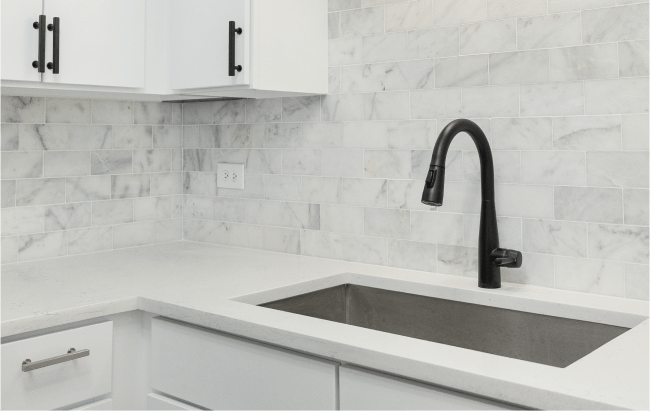
In one 1920s bungalow, the client chose a ribbed porcelain in a soft sand tone for the main shower wall. The pattern came in right and left pieces, a detail easy to miss online. Our crew mapped the layout full scale with painter’s tape before cutting, ensuring the flutes aligned through the niche and around the corner. That half day of layout avoided a patchwork look and let the light play evenly across the surface.
Mixing materials without muddling the message
Tile works hard next to other finishes. If you love the look of plaster, consider a plaster-look porcelain in a large format for the shower, then finish the remaining walls in a durable eggshell paint. Wood elements, such as a white oak vanity, pair well with stone-look porcelain that leans warm. Avoid mixing three different busy patterns in a small room. Two is usually the ceiling: one hero texture or pattern, one supportive plain field. Mirrors, lighting, and hardware can then provide character without the room feeling crowded.
Integrated design details, like a tiled apron front on a drop-in tub or a tiled shower curb wrapped in the same slab as the vanity, make the room feel cohesive. Many homeowners ask whether they should match the bathroom countertop to the shower bench. There is no rule, but repeating the same slab for both simplifies the palette and eliminates the tricky grout seam on the bench that can collect water.
The rise of porcelain slabs and fewer seams
Porcelain panels that look like marble, limestone, or onyx are getting more accessible. They appeal because they solve two problems at once: keeping grout to a minimum and delivering a luxe, continuous surface. The installation requires a crew trained in handling large panels, and the walls must be flat. When executed well, a bookmatched slab behind a freestanding tub becomes a focal point you will not tire of. The maintenance perks are real. Daily squeegeeing keeps it near spotless, and the absence of tiny joints means less scrubbing.
Where slabs are outside the budget, oversize 24 x 48 tiles in a matte finish often achieve a similar visual calm. Stagger the layout to minimize obvious seams, and align horizontal joints carefully with plumbing trims and niche shelves.
Small bathroom strategies that punch above their size
Small bathrooms benefit from generous tile decisions. Running the same floor tile into the shower, separated only by a linear drain, makes the footprint feel larger. Using a vertical stack on the walls creates the illusion of height, an old photographer’s trick translated to tile. If you are working with a 5 x 8 hall bath, a 3 x 12 tile in a vertical pattern on the tub walls, paired with a 12 x 24 floor in a diagonal or simple grid, keeps things clean and light. Avoid tiny mosaic floors across the entire space unless you love grout maintenance. Concentrate mosaics inside the wettest footprint, such as the shower pan.
Lighting matters more in small rooms. Tile with a soft sheen reflects light without glare. Pair it with a layered scheme - task, ambient, and accent - as you would approach Kitchen Lighting Design principles. The logic carries over: evenly lit surfaces look larger and more inviting.
Revive 360 Renovations: specifying grout and movement joints the right way
Seasoned installers at Revive 360 Renovations approach showers as systems, not just surfaces. Beyond tile choice, they insist on movement joints at perimeters and changes of plane. Caulk, not grout, belongs in the corners of a shower. It accommodates expansion and contraction, protecting the crisp grout lines from cracking. On floors with radiant heat, soft joints at regular intervals prevent tenting and difficulty down the road. It is the sort of invisible detail that never shows up on social media but determines whether your bathroom still looks tight in year five.
We also maintain a short list of go-to grout colors that age gracefully. Light warm grays hide soap residue better than stark white. On marble mosaics, a custom-tinted grout one shade lighter than the stone veining ties the composition together without turning the floor into a grid of lines. On dark tiles, avoid pure black grout, which can chalk over time. Charcoal or graphite tones stay handsome under daily cleaning.
Two quick checklists for smarter tile decisions
Tile projects succeed on the strength of planning. Use these short lists to avoid common pitfalls.
- Pre-install checklist: verify wall flatness, confirm tile caliber and shade numbers, dry-lay critical patterns, mark niche and valve heights, and approve grout color against a wet tile sample. Maintenance checklist: squeegee shower walls daily, clean with pH-neutral cleaner weekly, re-seal natural stone at 6 to 12 month intervals, inspect caulk lines quarterly, and avoid abrasive pads on matte tiles.
Safety, accessibility, and future-proof choices
Slip resistance is not only for seniors. Any busy household benefits from a shower floor with texture and a bathroom floor that stays friendly when wet. Look for manufacturers that publish DCOF values at 0.42 or higher for wet areas. Linear drains often allow larger format floor tile in the shower while still managing slope safely, which keeps the visual field calm and reduces grout lines. If you are designing for aging in place, recessing the shower floor to create a curbless entry helps both safety and aesthetics. Blocking behind tile for future grab bars is an inexpensive insurance policy. It keeps your options open without committing to visible hardware on day one.
Installation realities: time, cost, and sequencing
Clients often ask how long a bathroom tile scope takes. For a typical 5 x 8 hall bath with a tub-to-shower conversion and full-height tile, expect 8 to 12 working days for surface prep, waterproofing, tile set, grout, and cure times before fixtures and glass install. Primary baths with large-format tiles, niches, benches, and heated floors can run 3 to 5 weeks depending on complexity and inspection cadence. These ranges echo the broader logic from Complete Bathroom Remodel: Timeline and What to Expect. The sequence matters. Tile cannot start until plumbing rough-ins pass, and shower glass templating typically waits until tile is grouted. Planning those handoffs avoids idle time.
Material costs span widely. Entry-level porcelain starts reasonable per square foot, while imported handmade tile, marble mosaics, or porcelain slabs can jump to several times that. Labor follows complexity. Straight-stack field tile sets faster than a herringbone pattern with lots of cuts. On a recent project, swapping a 3 x 12 herringbone for a vertical stack trimmed two days of labor and shaved waste by about 10 percent, without sacrificing the overall look.
Trends worth the investment, and a few to treat cautiously
Certain updates keep paying dividends. Large-format porcelain on walls, slip-resistant mosaics on floors, and a restrained palette with one textured focal point hold up both visually and practically. Finger mosaics and ribbed tiles have enough subtlety to age well. Warm neutrals with muted green or sand accents feel current without screaming 2025.
Treat ultra high-contrast grout lines with caution. They photograph well but can read busy in smaller rooms and show every wobble in handmade tile. High-gloss wall tiles can be stunning, but in showers they may amplify water spots unless you plan on diligent upkeep. Black floors look sophisticated on day one and dusty on day three. If you love dark tones, consider a mid-charcoal with a matte finish. It still feels moody, and it buys you breathing room between cleanings.
Case notes: when kitchens teach bathrooms a lesson
We talk a lot about kitchens, because their workflow and maintenance logic often translate. For example, the way you plan a continuous, easy-to-wipe kitchen backsplash applies to shower walls. The Complete Kitchen Backsplash Installation Guide emphasizes layout alignment with outlets and range hoods. In bathrooms, align tile joints with shower valves and niches for the same sense of order. And just as Budget-Friendly Kitchen Updates That Make a Big Impact often rely on paint and hardware swaps, bathrooms can benefit from regrouting, re-caulking, and replacing a worn shower floor mosaic without tearing into every wall.
Even countertop trends cross over. Thinscape Countertops, a thin, durable composite used in kitchens, has inspired interest in slim-profile porcelain shower benches and thresholds that look tailored and contemporary. The principle is similar: less visual bulk, more perceived space.
Tying it together so it lasts
A well-executed bathroom never feels like a collage of separate decisions. It reads as a single, comfortable environment where color, texture, and function agree. Plan around a clear focal point. Let the floor and walls support that move rather than compete with it. Choose grout that disappears. Confirm slip resistance and edge details early. Coordinate metals so they harmonize rather than match perfectly - a brushed nickel shower set can live happily with a stainless tile edge and a soft brass sconce if the overall palette is warm and coherent.
The final decision that separates a bathroom you enjoy from one you tolerate is craftsmanship. That includes everything you do not see: membranes that pass flood tests, flat substrates, movement joints, and careful layout. Crews at Revive 360 Renovations regularly build full-scale mockups with tile samples and trim profiles to confirm these variables with clients before a single cut is made. That ritual catches proportion issues early, especially with large-format tiles that can make or break a wall depending on the starting datum.
Revive 360 Renovations project notes: micro details that matter
On a recent primary bath, the client chose a 24 x 48 porcelain limestone-look tile, a 2 inch hex shower floor, and a kit-kat mosaic for the vanity wall in a light clay tone. We set a reference line at 48 inches from the finished floor and balanced cuts up and down so the ceiling and floor received equal, clean margins. The niche landed on a full tile course, and the mitered outside corners kept the ribbed mosaic’s profile crisp without a metal edge. The grout, a warm light gray, tied all three tiles together. That balance, plus a linear drain set flush with the field tile, gave the room a serene continuity that felt more expensive than the material list suggested.
Clients often remember one tactile detail. In this case, it was the shower floor’s soft grip and how secure it felt even with conditioner underfoot. That is the kind of feedback that confirms the value of lab slip ratings and mockup testing with water before grout day.
Care and keeping: living happily with your tile
Maintenance does not need to be a chore. Squeegees extend the life of grout joints and keep glass clear. pH-neutral cleaners are kinder to grout and sealer than acidic options, especially on natural stone. Steam cleaning, used sparingly, can dislodge buildup without harsh chemicals. For those who like a quarterly rhythm, plan small rituals: inspect corners for cracked caulk, check the shower drain for hair buildup before it slows, and wipe the bottom edge of niche shelves where water sits.
If you chose marble, budgeting for an annual or semiannual re-seal keeps etching and staining in check. That extra step pays back in longevity and fewer headaches. Porcelain, the workhorse of modern bathrooms, asks less. An occasional deep clean on grout lines and a light scrub where water dries slowly is usually enough.
What to watch next
Two frontier ideas are quietly gaining ground. First, antibacterial glazes. Some manufacturers are applying ion-infused surfaces claimed to resist bacteria growth. The claims vary, and you should read them critically, but initial feedback suggests they help slow mildew in humid spaces. Second, digital prints with tactile relief that mimic split-face stone or plaster. These can look surprisingly authentic while still cleaning like porcelain. If you love the character of textured stone but dread toothpaste cleanup, this hybrid deserves a look.
Tile is the backbone of a durable, beautiful bathroom. Whether you lean classic with marble and subway, or contemporary with porcelain slabs and finger mosaics, 2025 offers a healthy middle path that respects both design and daily life. When the design is clear, the grout is smart, and the installation is disciplined, you end up with a room that feels fresh every morning and unbothered by the years.